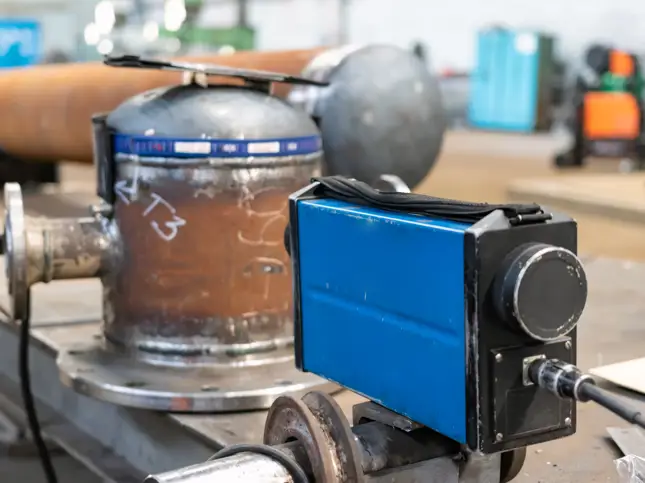
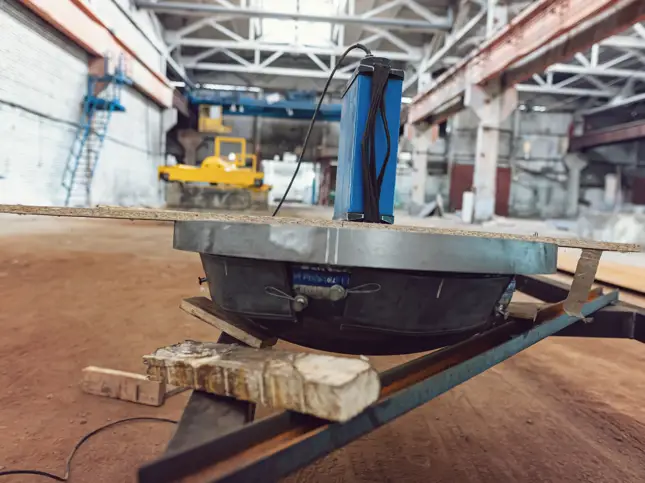
At Arab Wondars, we offer radiographic testing (RT) services to examine the internal structure and integrity of welds, castings, and critical components without causing any damage to the material. This non-destructive inspection method enables accurate detection of internal defects that may affect structural performance.
Radiographic Testing (RT) is a non-destructive testing technique that uses X-rays or gamma radiation to produce images of the internal structure of materials and components. This method allows inspectors to detect hidden defects without damaging the tested object.
Applications of Radiographic Testing
At Arab Wondars, radiographic testing is widely applied across industries such as oil and gas, structural fabrication, piping systems, and pressure vessel manufacturing. This inspection method is especially critical in areas where internal defects could compromise safety, structural integrity, or operational performance.
At Arab Wondars, we provide both film radiography and digital radiography solutions to meet different inspection and documentation requirements.
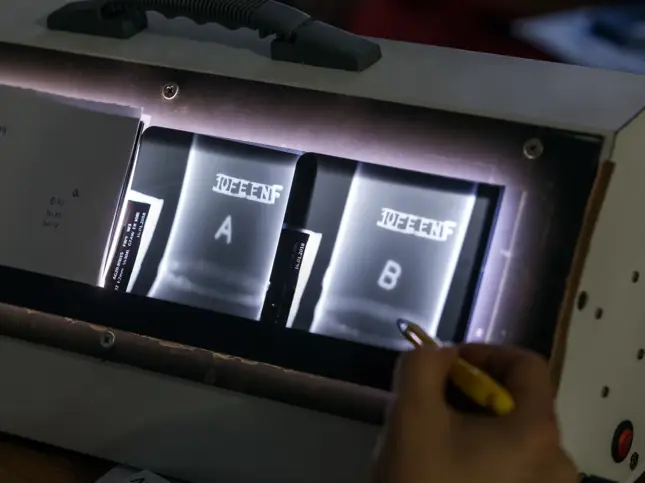
Film Radiography This traditional inspection method produces a physical radiographic film that serves as a permanent record of the inspection. It is commonly used when long-term archival documentation and verification are required.
Digital Radiography Digital radiography allows for faster image processing, improved data storage, and easier image analysis. This modern approach is particularly effective for projects requiring high inspection volumes, rapid reporting, and remote collaboration.
Real-Time Radiography (RTR) for Immediate Image Analysis
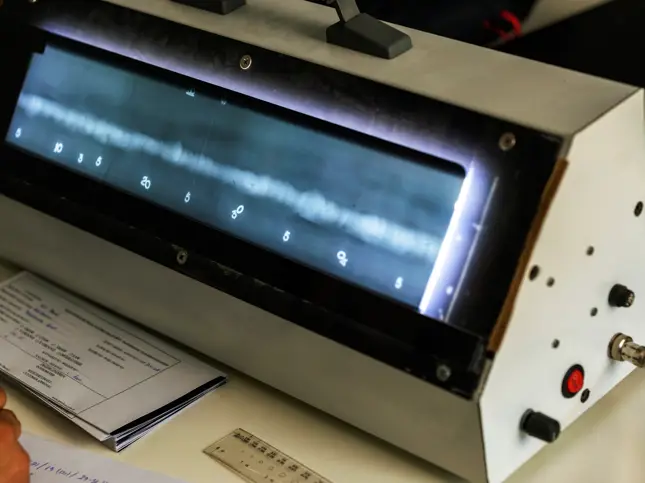
Real-Time Radiography (RTR) enables inspectors to observe X-ray images instantly as they are captured. This capability allows for immediate evaluation and quicker identification of potential defects during the inspection process.
Gamma Ray Testing vs. X-Ray Testing
We offer both Gamma Ray Testing and X-Ray Testing. The technique used depends on the application, site conditions and required penetration levels.
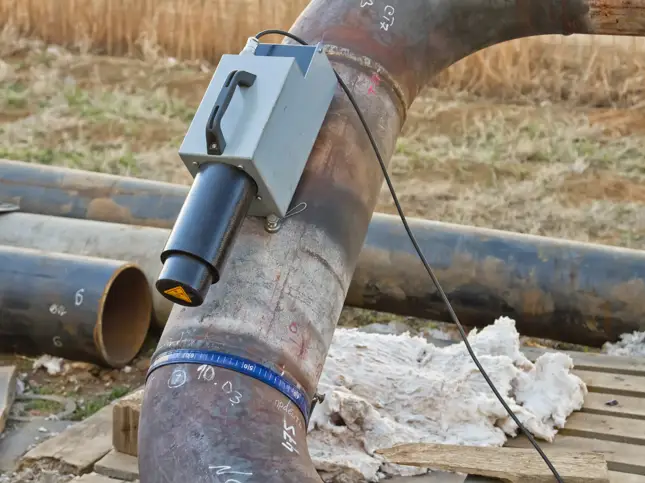
Gamma Ray Testing: This technique is ideal for the inspection of dense materials or where locations have limited access. It uses radioactive isotopes and is often used in confined or remote settings.
X-Ray Testing: This method is suitable for precise imaging where access to power and equipment is available. It is often used in fabrication yards or controlled environments.
Gamma Ray Testing in Confined and Remote Locations
We use Gamma Ray Testing where power supply is limited or access is restricted. This testing method is suitable for remote fieldwork and dense materials where deep penetration and portability are required.
X-Ray Testing of Pipe Welds
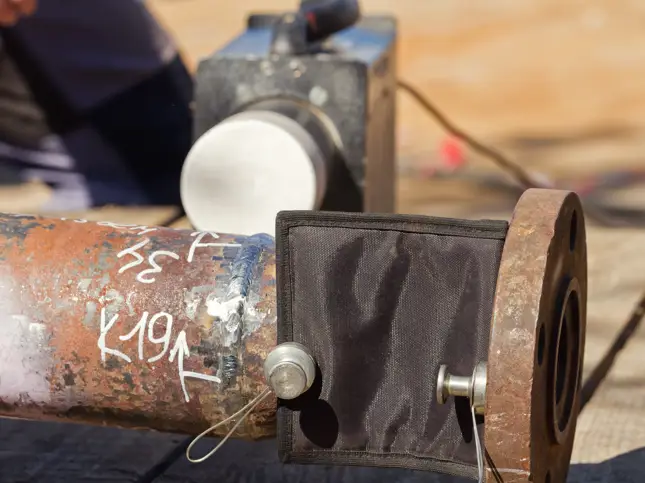
X-ray testing of pipe welds provides our technicians with detailed imaging of weld integrity. This technique supports code compliance and is essential in pressure systems and high-specification pipeline fabrication.
Profile Radiography for Corrosion Mapping
We use profile radiography techniques to map corrosion profiles in piping and pressure vessels. This testing method is non-intrusive and can quickly identify material loss without the need for internal access or system shutdown.
Radiographic Testing for Welding Quality Assurance
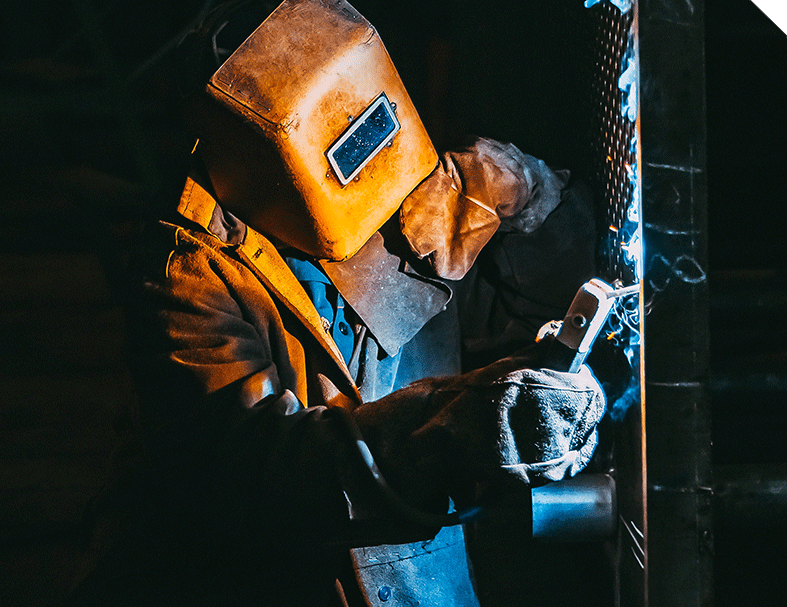
At Arab Wondars, radiographic testing is widely used to evaluate weld quality and identify internal defects that may affect the strength or reliability of welded structures. This inspection method plays a crucial role in welding quality assurance, especially for critical equipment and pressure-rated systems where safety and performance are essential.
Weld Radiography for Piping, Structural Steel, and Pressure Vessels
Our weld radiography services are applied to piping systems, structural steel components, and storage or pressure vessels across various industrial sectors. By capturing detailed internal images of welded joints, this inspection method allows our specialists to detect hidden defects and confirm compliance with established welding standards.
At Arabwondars, all radiographic testing is conducted in accordance with international standards, including:
ASME Section V
ASTEM E1030
ISO 17636
We apply best practices in equipment use, image quality control, and reporting.
Code Compliance: ASME, ASTM, API, ISO
We ensure that all radiographic inspection services align with required codes such as:
ASME
ASTM
API
ISO
Our documentation supports certification, audit trails and client quality systems.
Radiographic Testing Advantages and Disadvantages
Some of the considerations when reviewing radiographic testing advantages and disadvantages for inspection programmes include:
Advantages of Radiographic Testing
High penetration for thick and dense materials
Clear, permanent visual record of inspection
Compatible with a wide range of metals and non-metals
Highly effective at detecting internal defects like porosity, inclusions and cracks
Non-contact method that doesn’t disturb the material surface
Limitations of Radiographic Testing
Requires strict radiation safety procedures and trained personnel
Higher cost and time compared to some NDT methods, such as ultrasonic testing
Requires access to both sides of the component
Why Choose Arabwondars for Radiographic Testing Services?
Certified RT Technicians and Advanced Inspection Equipment
At Arab Wondars, our radiographic testing services are performed by qualified RT technicians who follow internationally recognized certification and inspection standards. Using advanced X-ray and gamma radiography equipment, our team conducts accurate inspections both on-site and in controlled environments to ensure dependable and consistent results.
Digital Image Processing and Efficient Reporting
We utilize modern digital radiography technologies that allow for rapid image processing, secure data storage, and efficient analysis. Inspection images can be easily reviewed, shared, and archived with full traceability, enabling faster decision-making and improved asset documentation. This streamlined approach makes radiographic testing more efficient for both large-scale inspections and detailed defect evaluations.
Compliance with Industry and Regulatory Standards
All radiographic inspection procedures at Arab Wondars are conducted in accordance with internationally recognized standards such as ASME, ASTM, API, and ISO. Our strong QA/QC processes ensure that our services meet the strict requirements of regulated industries, including oil and gas, marine, power generation, and industrial infrastructure, supporting safe and compliant operations.
We are governed by standards such as ASME, ASTM, API and ISO to guide the safe and accurate execution of radiographic testing, inspection and reporting.