Our Magnetic Particle Testing (MPI) is one of the fastest and most cost-effective non-destructive testing (NDT) methods for detecting surface and near-surface flaws in ferromagnetic materials. Our certified technicians bring extensive experience across sectors such as oil and gas, marine, construction and manufacturing.
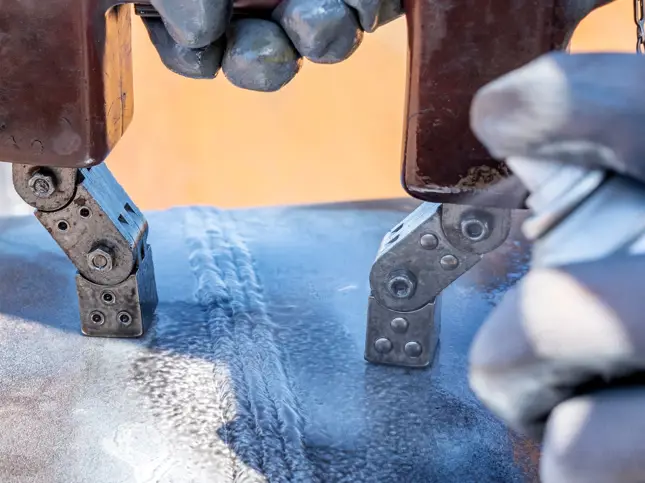
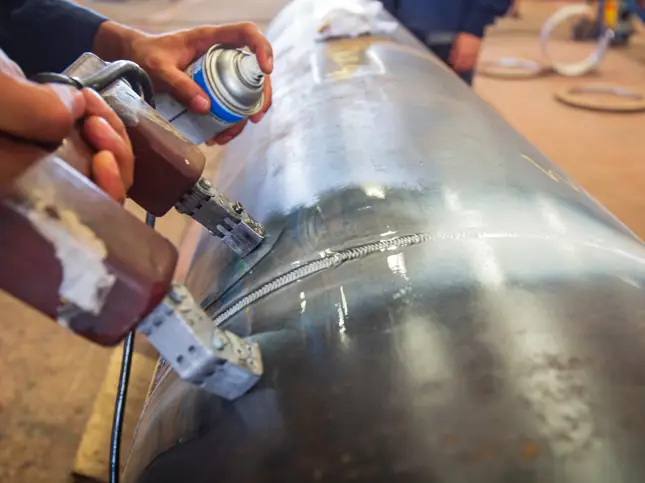
Magnetic Particle Testing (MPT) is a non-destructive testing method used to identify surface and near-surface defects in ferromagnetic materials. The process involves magnetizing the component and applying fine magnetic particles to the surface. If a crack or discontinuity is present, it disturbs the magnetic field, causing the particles to accumulate at the defect location and form a visible indication.
Magnetic Particle Inspection (MPI) Process
The typical MPI testing procedure involves the following steps:
Surface preparation – Cleaning the test area to remove dirt, oil, or contaminants that may affect inspection accuracy.
Magnetization – Applying a magnetic field to the component being inspected.
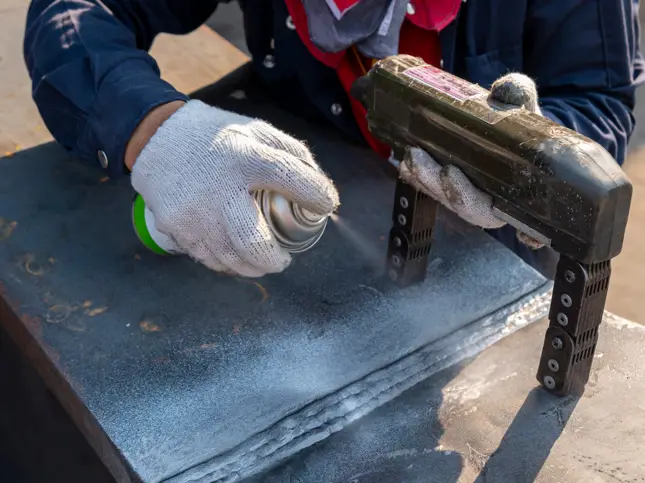
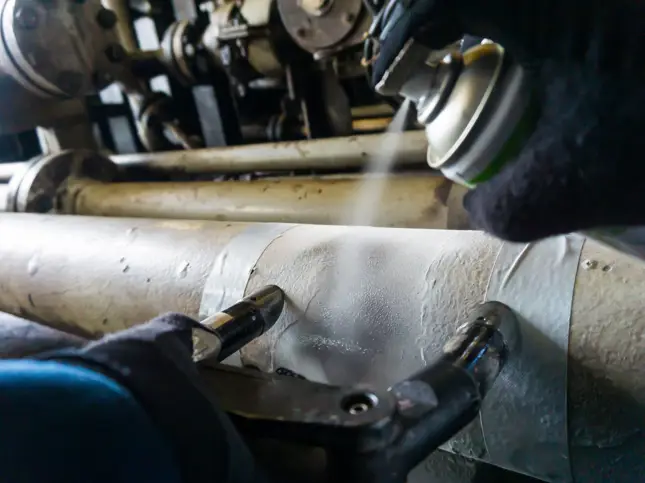
Application of magnetic particles – Using either dry powder or wet suspension particles to reveal discontinuities.
Inspection under proper lighting – Observing the test surface under appropriate lighting conditions to detect visible indications of defects.
Demagnetization and cleaning – Removing residual magnetism and cleaning the component after the inspection is complete.
Equipment Used in MPI Test Methods
Our experienced technicians use a range of specialist tools for MPI tests, including the following:
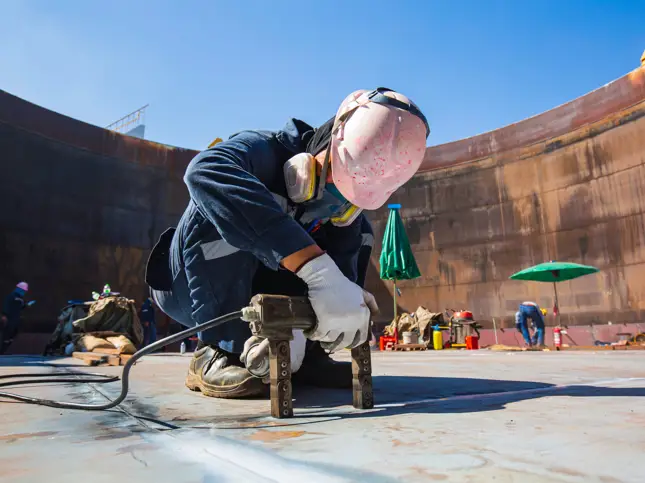
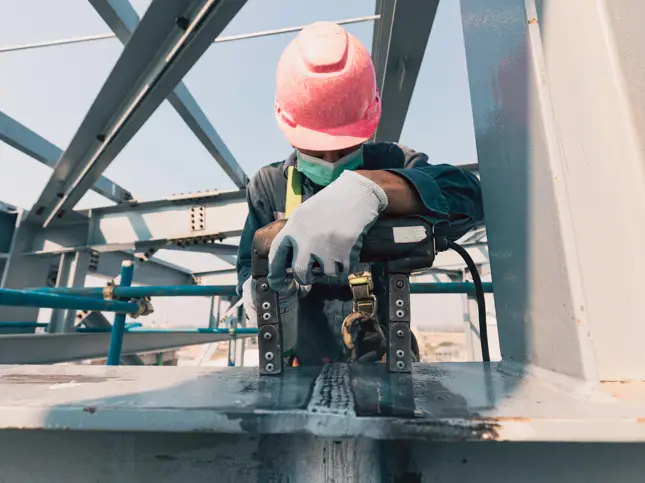
Portable yokes for on-site inspections
Bench units for higher-volume shop work
UV lamps for fluorescent testing
Magnetic powders and liquids (wet and dry)
Magnetic Particle Testing: Standards and Certifications
All MPI tests at Arabwondars are carried out by ISO 9712, ASNT or PCN-certified NDT Level II and III technicians in accordance with international magnetic particle testing standards, including ASTM E444, ASME Section V and ISO 9934.
Magnetic particle testing is commonly used in oil and gas, shipbuilding and marine, structural steel fabrication, power generation and rail and automotive manufacturing.
We work with a number of clients across these industries to provide reliable, standards-compliant MPI test services that support both asset integrity and safety.
Application of Magnetic Particle Testing in Welding, Forgings, and Castings
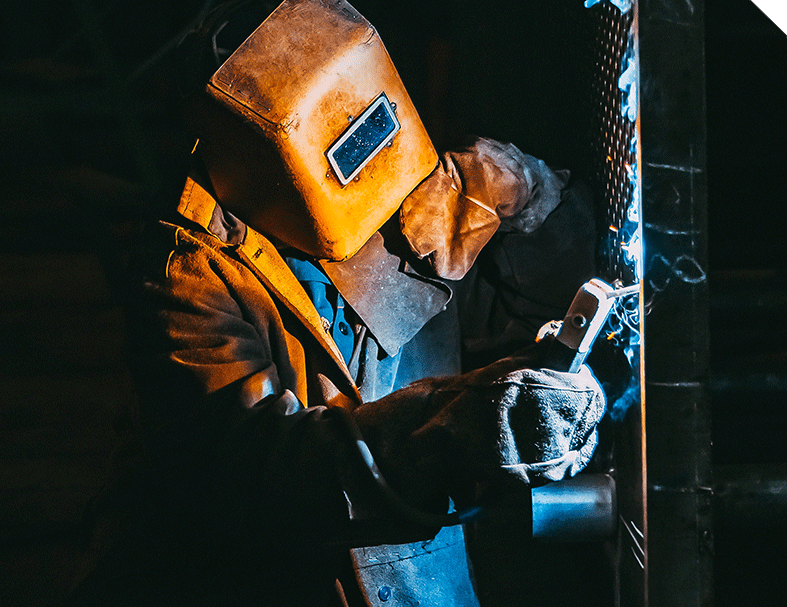
Our application of magnetic particle testing includes weld inspections, forgings, castings and other ferromagnetic components and is particularly useful for detecting cracks in weld beads, surface-breaking flaws in forgings, and defects on machined or coated parts.
At Arab Wondars, our Magnetic Particle Testing (MPI) services are valued for their efficiency, reliability, and ability to quickly detect surface and near-surface cracks. This inspection method delivers immediate results, making it highly suitable for routine maintenance checks, production inspections, and quality control processes.
Portable Testing for On-Site and Workshop Inspections
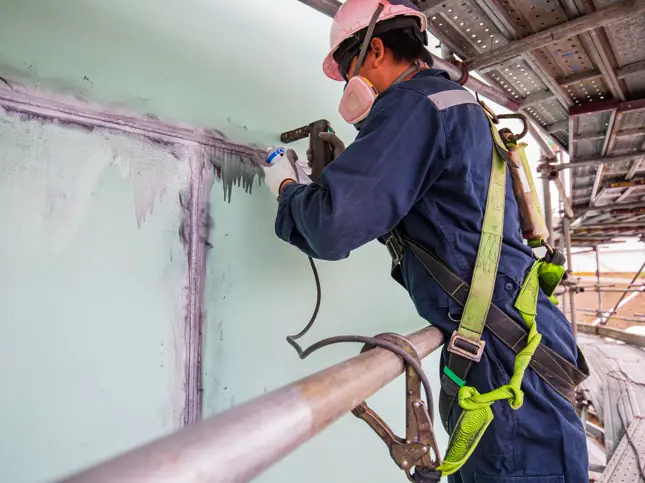
Our technicians are equipped to perform MPI inspections both on-site and in controlled workshop environments. Using portable magnetic yokes and specialized inspection kits, Arab Wondars can conduct testing even in remote locations or confined work areas.
High Sensitivity for Ferromagnetic Materials
MPI testing is highly sensitive and responsive for ferromagnetic metals such as carbon steel and iron. It detects tight cracks that may not otherwise be visible to the naked eye, where undetected, could cause premature failures, operational risks, and/or non-compliance with industry standards.
At Arab Wondars, we utilize both wet and dry magnetic particle testing methods depending on the surface condition, material characteristics, and inspection requirements.
Wet Magnetic Particle Testing This method uses magnetic particles suspended in a liquid carrier, allowing for improved particle movement and higher sensitivity during inspection. It is particularly effective for detecting fine surface and near-surface defects.
Dry Magnetic Particle Testing The dry method involves applying fine magnetic powder directly to the test surface. It is well-suited for inspecting rough surfaces and components operating at higher temperatures where liquid-based testing may not be practical.
Fluorescent vs. Visible Particle Inspection
We utilise both fluorescent and visible particle inspection as part of our MPI test services.
Fluorescent particles are used under UV light for high-sensitivity in controlled, dark environments, whereas visible particles are applied in daylight or brightly lit settings for convenience.
Our experienced technicians select the most suitable method based on material type, inspection conditions, and required sensitivity.
Yoke Technique and Prod Method
We apply the yoke technique in magnetic particle testing for general purpose field inspections and the prod method where direct current contact is required for localised testing.
Full Compliance with International Standards (ASTM E1444, ASME, ISO)
We perform all magnetic particle testing in line with major codes and client-specific requirements.
Our processes ensure full compliance and reliable audit trails.
Accurate Reporting and On-Site Support
Our technicians deliver real-time results to support site-based decision making and offer comprehensive magnetic particle testing services across fabrication shops, construction sites, and operational assets.
Why Choose Arabwondars for MPI Services?
Certified NDT Level II and Level III Technicians
At Arab Wondars, our inspection team includes highly qualified NDT Level II and Level III technicians who are trained according to internationally recognized standards in magnetic particle testing. Their expertise ensures accurate inspections and reliable detection of surface and near-surface defects.
Detailed Magnetic Particle Inspection Reporting
Every Magnetic Particle Inspection (MPI) performed by Arab Wondars is supported by clear and traceable documentation. Our inspection reports include structured digital records and, where necessary, photographic evidence to provide complete transparency and verification of the inspection results.
Compliance with International Codes and Standards
All magnetic particle testing procedures are conducted in accordance with widely recognized standards such as ASTM E1444, ASME, and ISO, as well as client-specific quality requirements. Our structured processes ensure full compliance and maintain reliable audit trails for quality assurance.
Accurate Reporting and On-Site Technical Support
Our technicians provide real-time inspection results to assist with immediate on-site decision-making. Arab Wondars delivers comprehensive magnetic particle testing services across fabrication facilities, construction sites, and operational industrial assets, helping clients maintain safety, quality, and regulatory compliance.
Magnetic particle testing involves applying a magnetic field and observing the accumulation of magnetic particles in areas where there are cracks or other surface defects.
We use magnetic particle testing to inspect welds, castings, forgings, and structural components in oil and gas, marine power and manufacturing industries.