At Arab Wondars, we provide reliable Positive Material Identification (PMI) services to verify the chemical composition and alloy grade of materials used in critical applications. Our inspection solutions help ensure that materials meet specified standards and comply with project and regulatory requirements.
Positive Material Identification (PMI) is a non-destructive testing method used to verify the chemical composition of metal alloys.
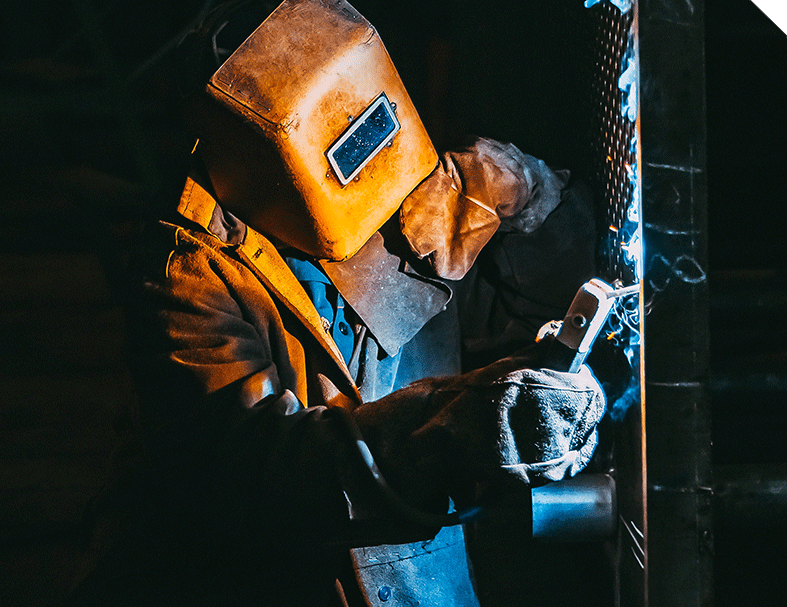
We provide PMI positive material identification onsite. We use handheld and mobile analysers to reduce the risk of material mix-ups and non-compliance. This is crucial where incorrect alloy use could result in serious operational failures or safety issues.
Benefits of PMI in Quality Control & Asset Management
PMI testing enables organisations to comply with project specifications and improve asset traceability.
Some of the numerous benefits, include:
Early detection of alloy mismatches
Compliance with regulatory and client specifications
Improved record keeping for QA/QC documentation
Support during shutdown and plant maintenance
Positive Material Identification testing forms a vital part of quality assurance and process safety in sectors such as oil and gas, marine, petrochemical, and fabrication.
When is PMI Testing Required?
PMI is typically required when materials are sourced from multiple suppliers, no certification is available for components, weld overlays, valves or pressure containing parts must meet material codes and when inspection is part of shutdown or plant maintenance procedures.
In these cases, testing is often carried out in line with the positive material identification standard ASTM. This standard provides guidance on ensuring alloy composition matches design and safety specifications.
Positive Material Identification (PMI) Testing Methods and Techniques
X-Ray Diffraction (XRD) for Crystal Structure Analysis
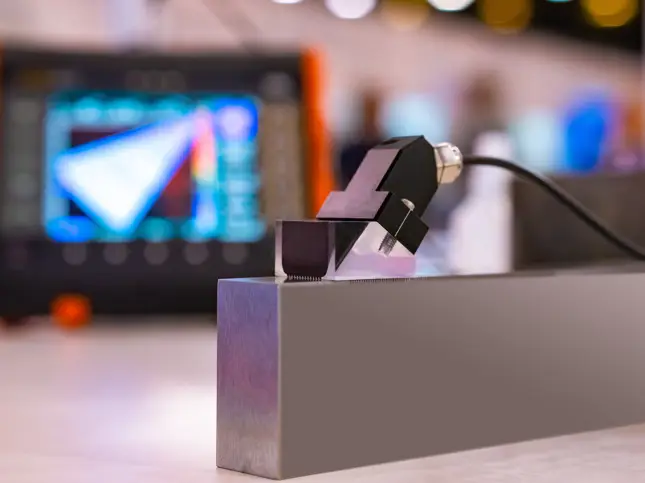
At Arab Wondars, we utilize X-Ray Diffraction (XRD) techniques to analyze the crystal structure and identify material phases in complex alloys. This advanced inspection method delivers high-precision results, making it particularly effective for evaluating heat treatment conditions and distinguishing between similar alloy compositions.
XRD is also widely applied in failure analysis and metallurgical investigations, helping clients understand material behavior and ensure compliance in highly regulated industries.
Optical Emission Spectroscopy (OES) for Elemental Analysis
Arab Wondars also employs Optical Emission Spectroscopy (OES) to accurately determine the elemental composition of metal components. This fast and reliable method is used to verify material grades and ensure they meet specified standards.
OES is especially valuable when working with stainless steel, nickel alloys, and other advanced materials, providing critical assurance of material integrity and compliance.
Ferrite Testing (FT) in Austenitic and Duplex Stainless Steels
Our experienced technicians use Ferrite Testing (FT) to measure ferrite levels in stainless steels and is especially crucial where strength and corrosion resistance are critical. This includes stainless types commonly used in pressure vessels, pipelines and offshore structures.
Our portable equipment allows for accurate ferrite checks onsite, supporting quality control and compliance in demanding environments.
Positive Material Identification Standard ASTM Explained
We follow strict Positive Material Identification ASTM guidelines which provide guidance on procedures for verifying the composition of metal alloys.
The standard sets out recommended practices for choosing test methods, equipment and documentation to ensure reliable identification, with consistent and traceable results across different industries.
Compliance with API, ASME, and ISO Material Standards
In addition to ASTM E1476, we also apply other PMI related standards depending on the industry and application. This includes ASTM E1086, ASTM E415 and API578 in relation to oil and gas systems.
Where appropriate we also follow ASME material specifications and ISO 17025 for lab competence and quality control.
Our technicians use these recognised frameworks to deliver compliant inspection services.
Industry Applications of PMI
Petrochemical and Oil & Gas Applications
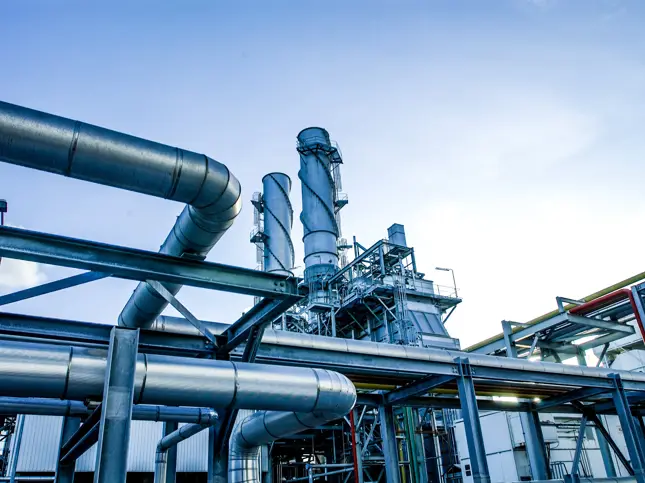
At Arab Wondars, we provide Positive Material Identification (PMI) services for petrochemical and oil & gas facilities, including refineries and processing plants. Our inspections ensure that materials used in pipelines, pressure vessels, and structural components meet the required alloy specifications.
By verifying material composition, we help prevent costly failures, reduce the risk of unplanned shutdowns, and maintain the safety and reliability of critical operations.
Power Plants and Refinery Projects
Arab Wondars supports power generation and refinery projects by delivering PMI services across all project stages, including fabrication, commissioning, and maintenance.
Our inspections ensure that all materials comply with strict safety standards and operational requirements. Through accurate material verification and detailed reporting, we help clients maintain compliance, improve asset integrity, and ensure long-term performance of their systems.
Aerospace, Marine, and Manufacturing
In aerospace, marine, and manufacturing, where material performance is tightly regulated and deviations could impact safety or product lifespan, PMI is crucial.
We work closely with OEMs, contractors, and component manufacturers to ensure that all materials meet specification, traceability requirements, and relevant regulatory standards.
Certified Technicians and Mobile On-Site Equipment
At Arab Wondars, our PMI inspections are carried out by certified professionals trained in internationally recognized QA/QC standards. Equipped with advanced portable analyzers, our team performs fast and efficient on-site material verification with minimal disruption to operations.
Fast, Accurate, and Non-Destructive Analysis
We utilize advanced non-destructive PMI techniques such as X-Ray Diffraction (XRD), Optical Emission Spectroscopy (OES), and Ferrite Testing (FT) to deliver precise and reliable results. Our approach enables same-day analysis with detailed reporting, helping clients quickly verify material composition and compliance.
Integration with QA/QC and Shutdown Programs
Arab Wondars seamlessly integrates PMI services into broader quality assurance and shutdown programs, providing full traceability and documentation throughout project execution. This integrated approach supports real-time decision-making across fabrication facilities and operational sites, ensuring efficiency, compliance, and improved asset reliability.
Positive material identification is a non-destructive testing method (NDT) used to verify alloy composition of metals, ensuring materials match design or specification requirements.
At Arabwondars, common PMI testing techniques include x ray diffraction XRD, Optical Emission Spectroscopy (OES) and Ferrite Testing (FT). We select the technique based on the material type, accuracy required and compliance needs.
The main positive material identification standard ASTM is ASTM E1476. This standard outlines the testing requirements and procedures to enable verification of metallic composition in safety-critical environments, such as oil and gas, marine and aerospace.